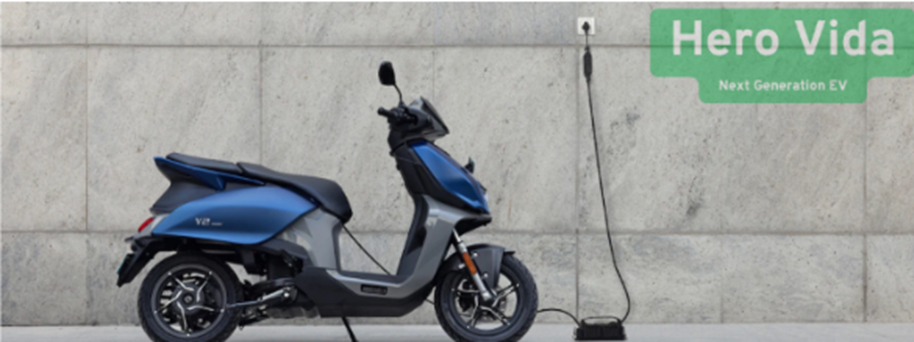
While much of the buzz around India’s Union Budget 2026–27 centred on pricing and tax rates, the real story for the two-wheeler industry lies deeper, in strategic shifts that could reshape how bikes and scooters are made, how electric versions grow, and how the supply chain becomes more competitive.
This Budget didn’t just scratch the surface with consumer price tags, but it laid down a roadmap for India’s manufacturing future and the EV ecosystem that will increasingly define mobility.
Let’s give you an idea of what this year’s Budget means beyond pricing for manufacturers, parts suppliers, and the electric two-wheeler industry.
1. Strengthening the EV and Battery Supply Chain
Electric two-wheelers are a key part of India’s shift toward cleaner mobility. To accelerate this transition, Budget 2026 continued and expanded support for electric vehicle infrastructure and manufacturing, not through short-term subsidies, but by making the supply chain stronger and more self-reliant.
Key measures include:
● Customs duty exemptions on capital goods used for making lithium-ion batteries, extended until at least March 2028. This helps battery makers reduce costs and scale production locally.
● Duty exemptions on critical minerals processing equipment, such as lithium, cobalt and rare earth elements, which are essential inputs for EV batteries and motors.
These steps aim to bring down the cost of electric two-wheeler production over the medium term, making domestic manufacturing more competitive and less dependent on imports. As a result, companies building EV bikes and scooters have greater confidence to expand their operations in India.
2. Rare Earth Corridors & Critical Mineral Focus
One of the most strategic moves in Budget 2026 was the announcement of dedicated Rare Earth Corridors in mineral-rich states like Odisha, Kerala, Andhra Pradesh and Tamil Nadu. These corridors are meant to streamline the mining, processing, research and manufacturing of rare earth materials, vital components in EV motors and advanced electronics.
Why this matters:
● Rare earth elements are essential for electric motor magnets and high-performance components, yet India currently relies heavily on imports for these.
● By developing a domestic supply base, manufacturers of electric two-wheelers and their components can secure stable access to raw materials, reducing vulnerability to global disruptions.
This focus aligns with broader national goals of self-reliance (Aatmanirbhar Bharat) in strategic industries, and directly benefits EV manufacturers and innovators in the two-wheeler space.
3. Technology, Semiconductors & Skilled Workforce
Another less-talked-about but important element of Budget 2026 is the push toward advanced manufacturing, especially semiconductors and electronics components. The government has reinforced initiatives like India Semiconductor Mission 2.0 and increased funding for electronics manufacturing schemes.
For two-wheeler manufacturers, this is crucial because:
● Modern bikes, especially EVs, increasingly depend on advanced chips and sensors for battery management, safety systems, and connectivity features.
● Domestic semiconductor and electronics component production will help reduce import costs and speed up innovation.
● With added focus on tech training and research infrastructure, the industry will have access to a more skilled workforce to build next-generation vehicles.
4. MSME & Component Manufacturer Support
Budget 2026 also emphasised boosting micro, small and medium enterprises (MSMEs), a backbone of India’s auto parts and two-wheeler component ecosystem. Industry bodies like the Automotive Component Manufacturers Association of India (ACMA) welcomed the focus on credit access, productivity enhancements, export facilitation and scale growth.
This matters for two-wheelers because:
● A strong parts ecosystem means lower production costs and better supply reliability for OEMs.
● It can help tier-2 and tier-3 suppliers innovate and export, strengthening India’s position in the global supply chain.
5. EV Demand-Side Support Evolving
While direct purchase subsidies have reduced in Budget 2026, demand support is evolving. Schemes like PM E-Drive still provide incentives for EV adoption, including for electric two- and three-wheelers, charging infrastructure and related investments.
For buyers and enthusiasts alike, this means:
● You’ll still see incentives that make EV two-wheelers more attractive compared with petrol bikes.
● Charging infrastructure support is set to grow, addressing one of the biggest concerns for potential EV buyers.
At platforms like Wheels of Trust, we monitor how these ecosystem changes impact pricing, resale values and ownership costs, helping riders make smarter decisions when they decide to let go of their current two-wheeler, search for check my bike value for a newer and more environmentally friendly option.
What This Means for the Future
The strategic thrust of Budget 2026 shows the government’s intent to support long-term manufacturing competitiveness over short-term price incentives. For two-wheeler players, especially those focusing on electric vehicles, this means more stable supply chains, better access to key materials, and a more supportive ecosystem for innovation.
Whether you’re a manufacturer planning capacity expansion, a parts supplier looking to innovate, or a buyer weighing EV versus petrol, these structural shifts set the tone for the next few years.
And for riders and buyers navigating this evolving landscape, platforms like Wheels of Trust help translate policy moves into real-world benefits with our second hand bike value calculator, making your buying journey simpler and more rewarding.